Bruxism/Teeth Grinding Treatment

Bruxism/Teeth Grinding Treatment in Atlantic Blvd (East)

Treating bruxism requires a personalized plan tailored to your specific needs. At Dental Team, our specialists are trained in understanding and managing teeth grinding.

image
Dental Team / Atlantic Blvd (East) / Bruxism/Teeth Grinding Treatment

What is Bruxism?

Bruxism is the involuntary clenching or grinding of teeth, occurring during the day or while sleeping. It can result from stress or misalignment of teeth, putting excessive pressure on your teeth and surrounding structures. Teeth grinding can wear down enamel, expose dentin, and damage both natural and dental work. It can also strain the temporomandibular joint (TMJ), leading to jaw pain, facial muscle discomfort, and morning headaches.

Protecting Your Teeth:

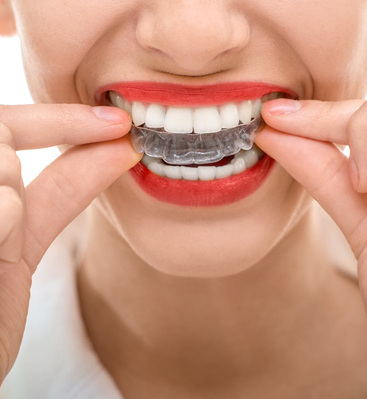
Our dentists create custom night guards to protect your teeth. After taking impressions, your night guard will be ready in one to two weeks.
Image

Treating Bruxism:
We use neuromuscular and orthopedic techniques to relax your jaw muscles. A TENS unit delivers gentle electrical stimulation, helping your muscles relax. After about an hour, we record your jaw’s relaxed position through bite registration using a fast-setting material. We then create a custom orthotic to help reposition your jaw into a more natural resting position. This initial phase is reversible and helps stabilize your bite. The orthotic is removable but should be worn full-time as your muscles adjust. Once you reach a comfortable state, we can discuss long-term options.

FAQ

1. How do I know if I grind my teeth at night?

Many people don’t realize they grind their teeth because it often happens during sleep. You might notice symptoms like jaw soreness, morning headaches, or worn teeth. At Dental Team, we can evaluate your symptoms and confirm whether bruxism is affecting your oral health.

2. What are the signs of teeth grinding?

Common signs include jaw pain, headaches, worn or sensitive teeth, and disrupted sleep. If you notice these symptoms, Dental Team recommends scheduling an evaluation.

3. What causes bruxism?

Bruxism can be caused by stress, anxiety, misaligned teeth, or sleep disorders. At Dental Team, we identify the underlying cause to create an effective, personalized treatment plan.

4. How is teeth grinding treated?

Treatment may include custom night guards, stress management techniques, bite adjustment, or therapeutic injections. Dental Team offers tailored solutions to reduce grinding and protect your smile.

5. Can bruxism go away on its own?

In some cases, mild bruxism may improve over time, but many patients require treatment to prevent long-term damage. Dental Team focuses on early intervention to protect your teeth and overall oral health.

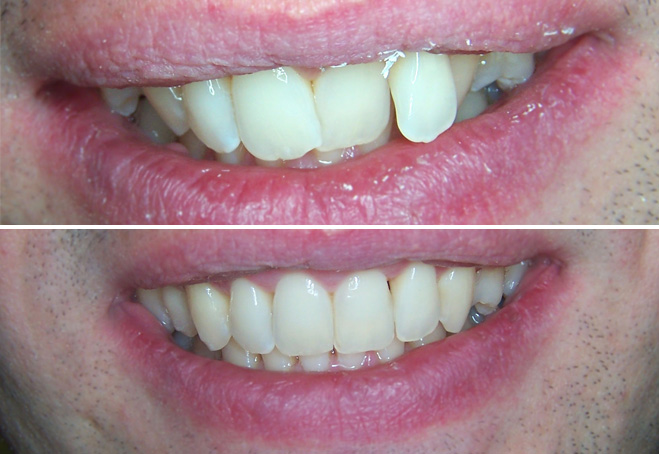
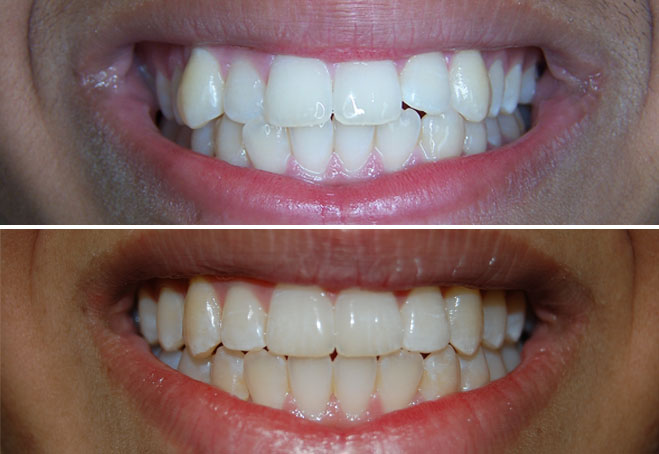
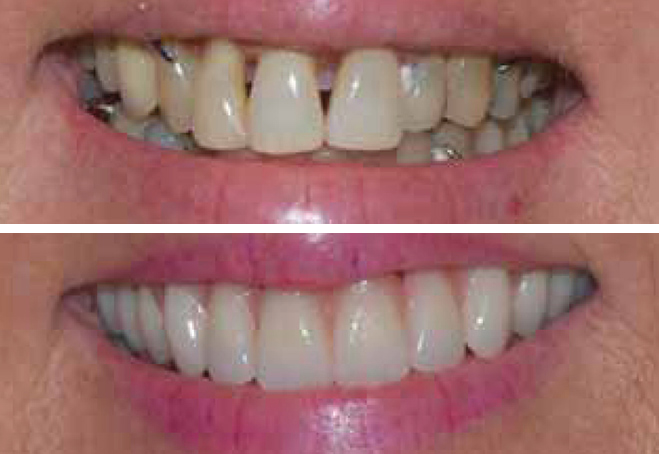
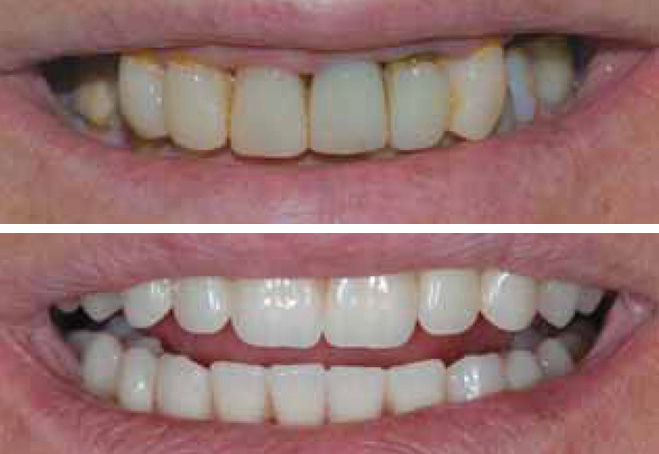
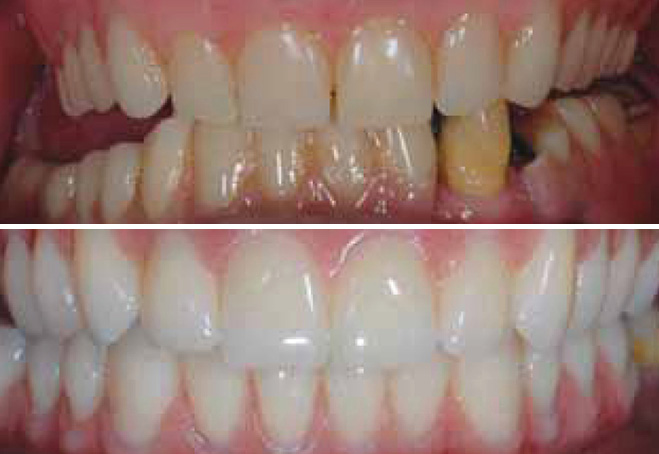
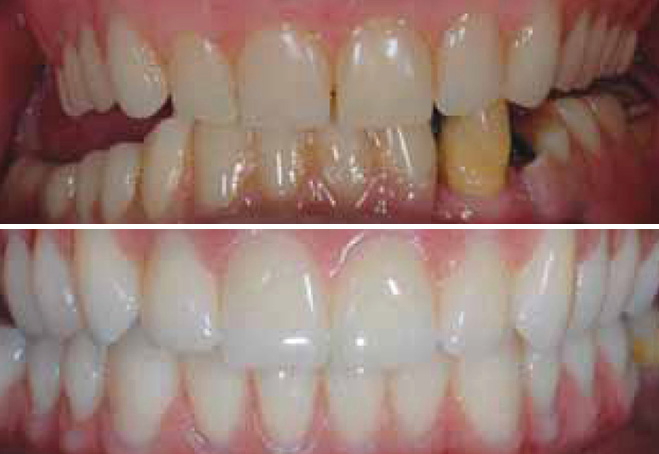
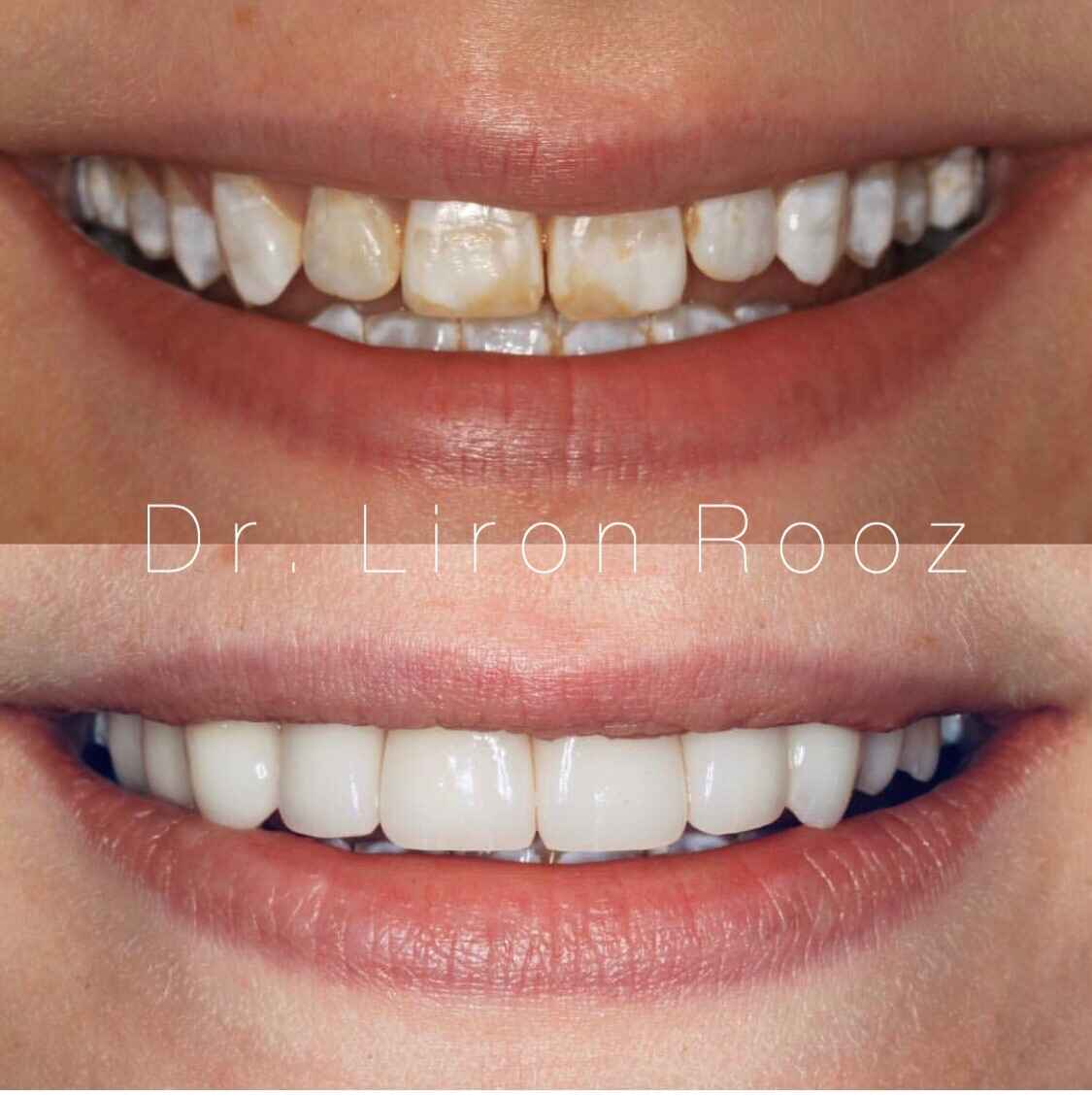
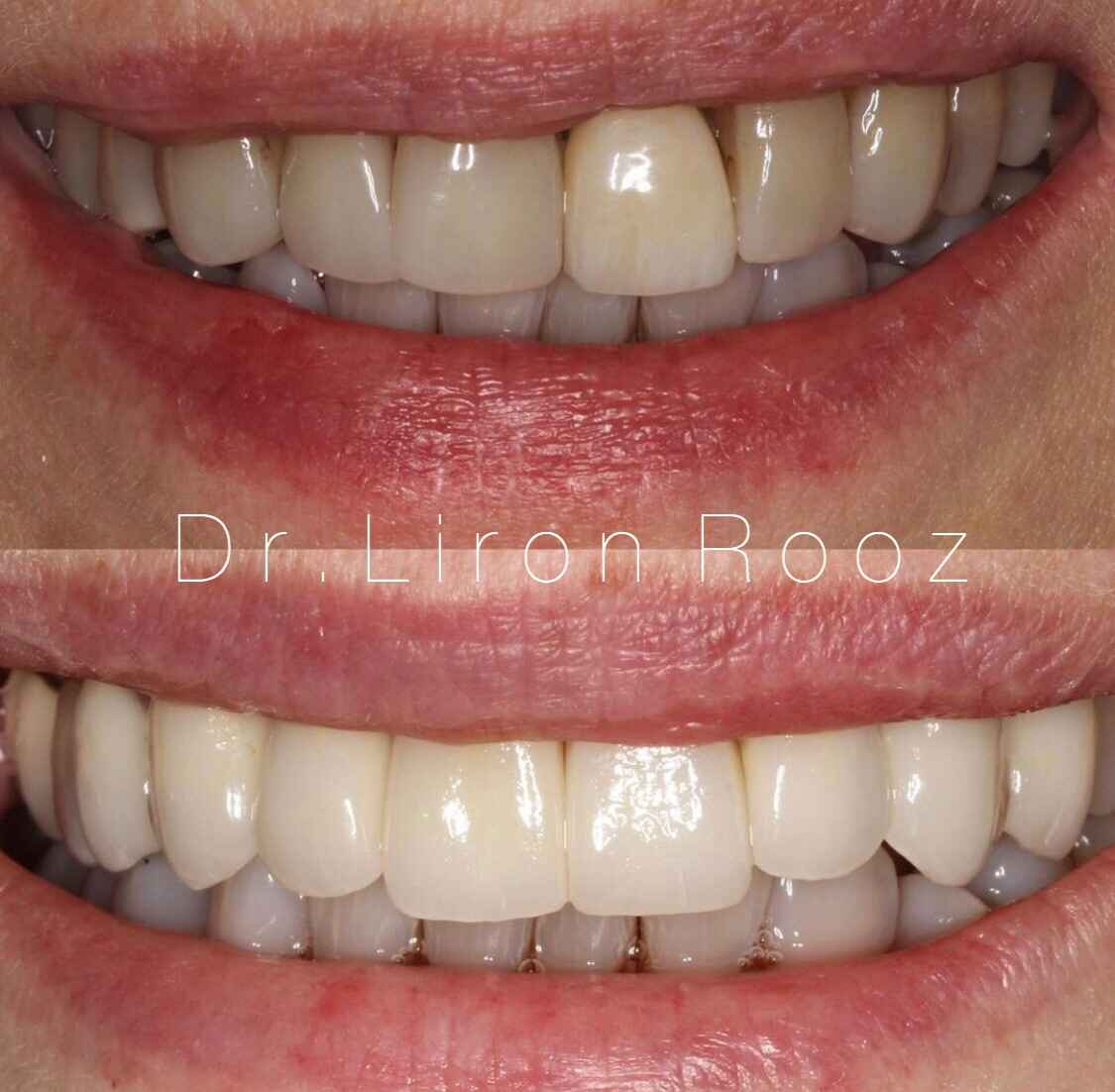
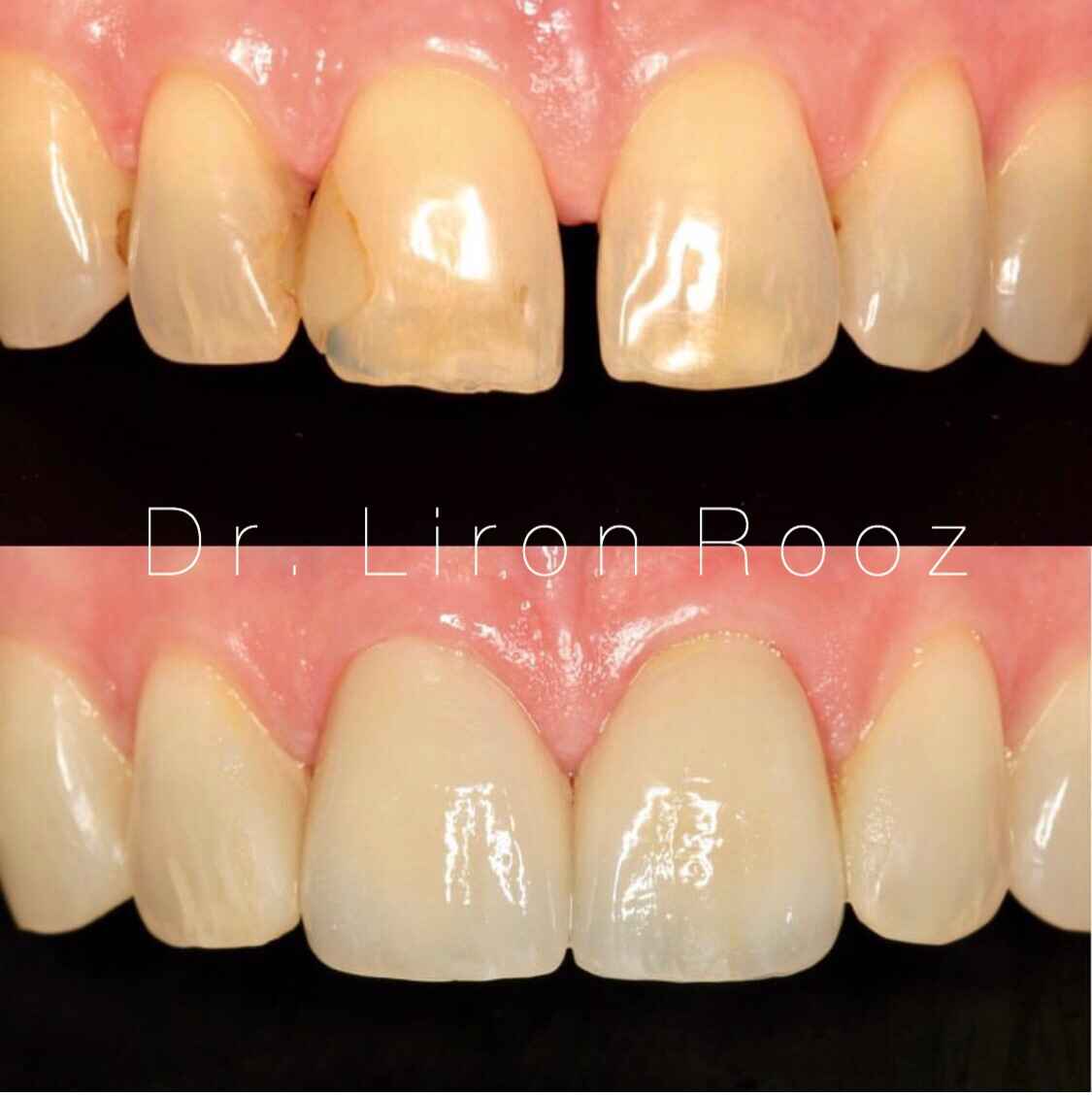
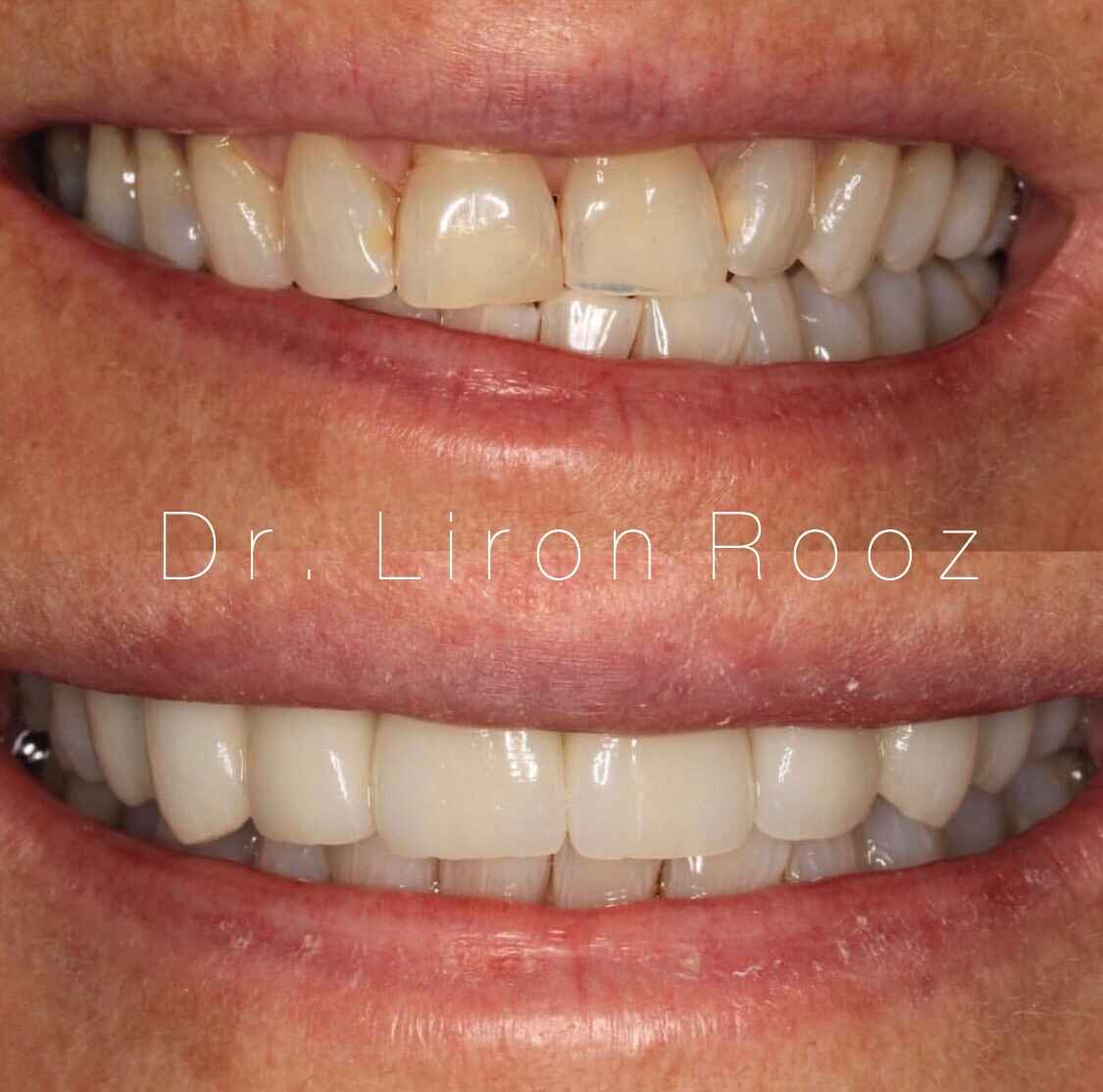
Life-Changing Results
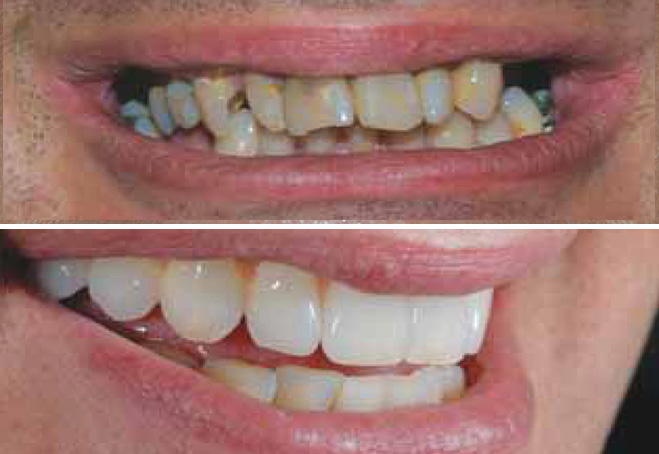
with Invisalign

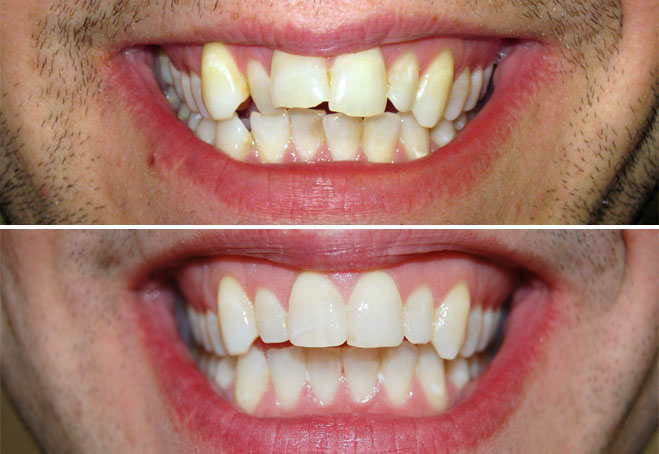
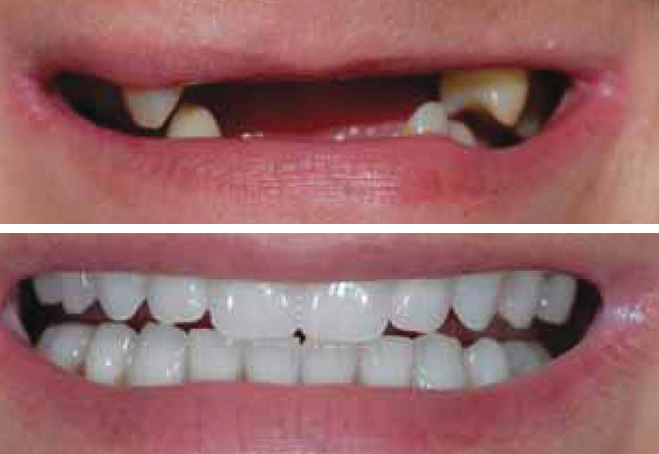
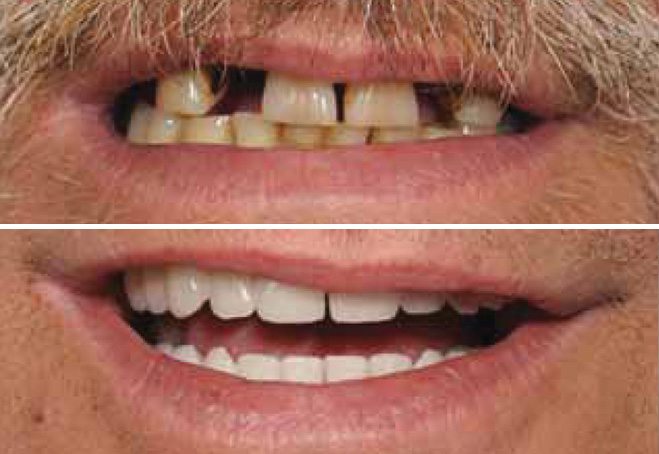
Life-Changing Results
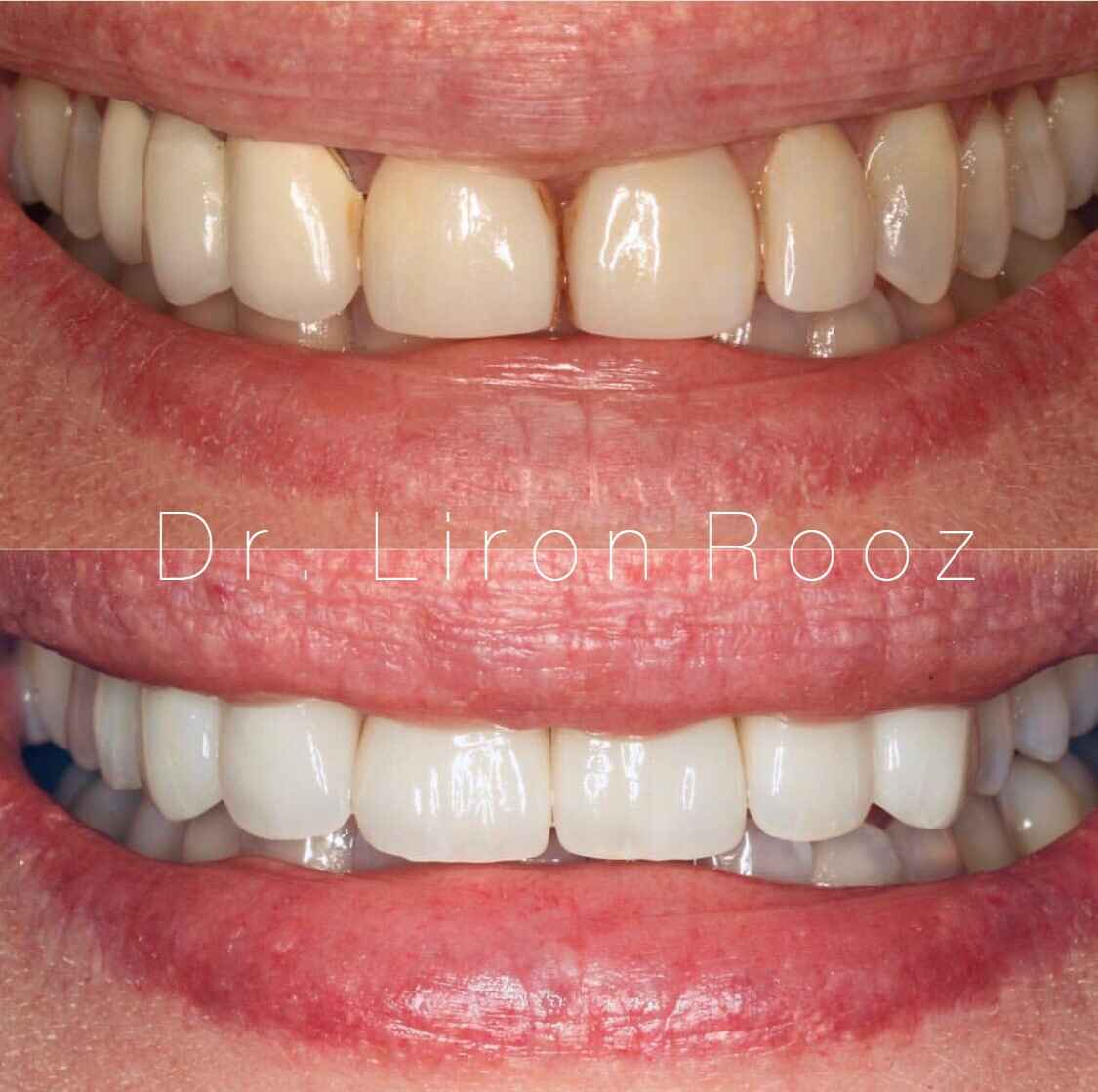
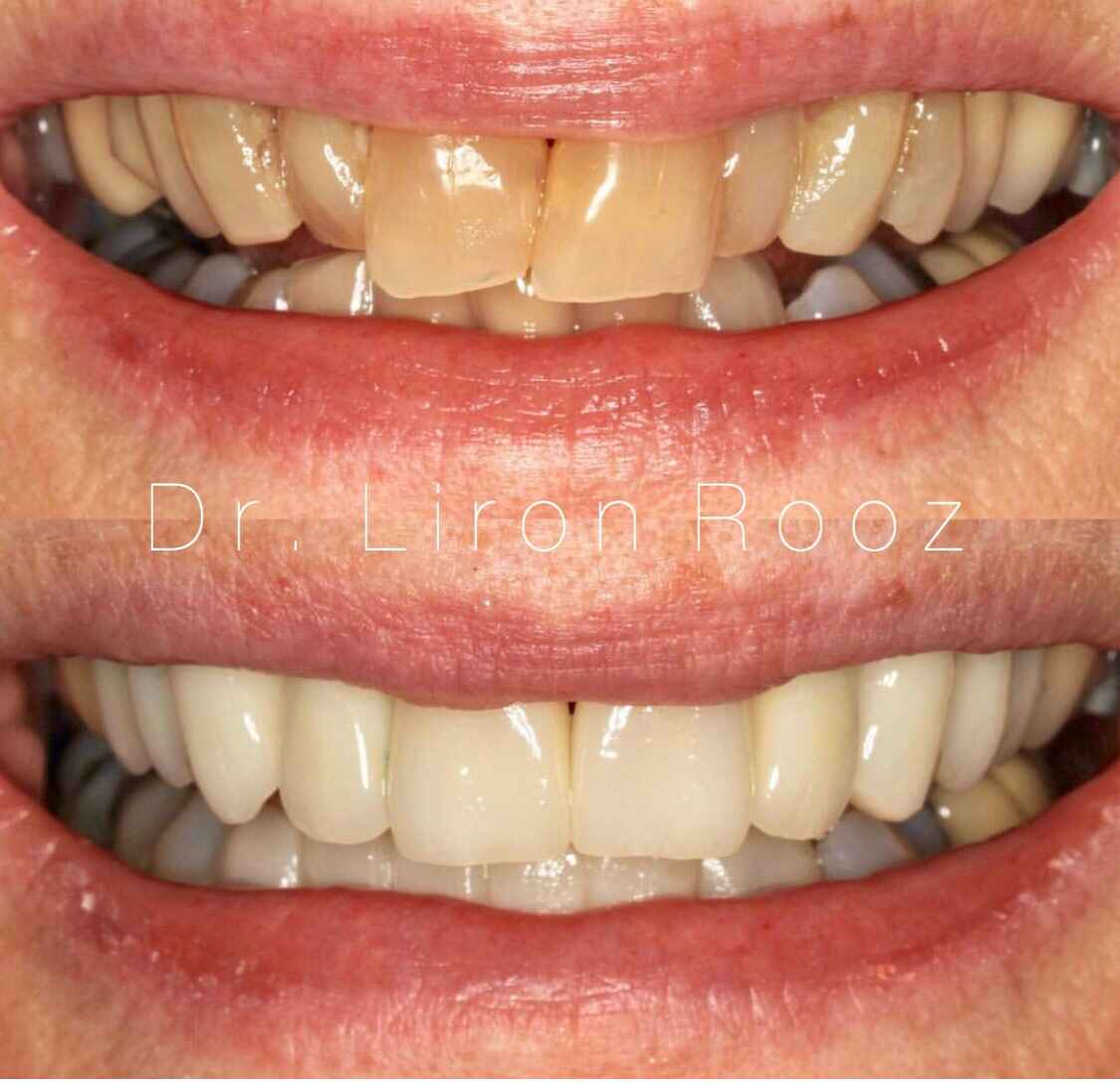
with Implants

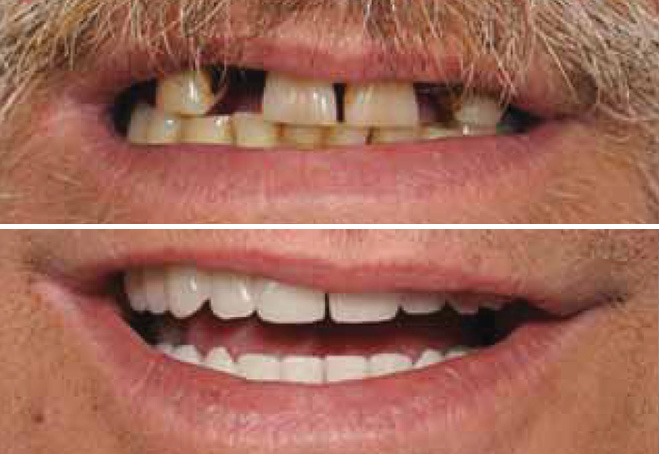
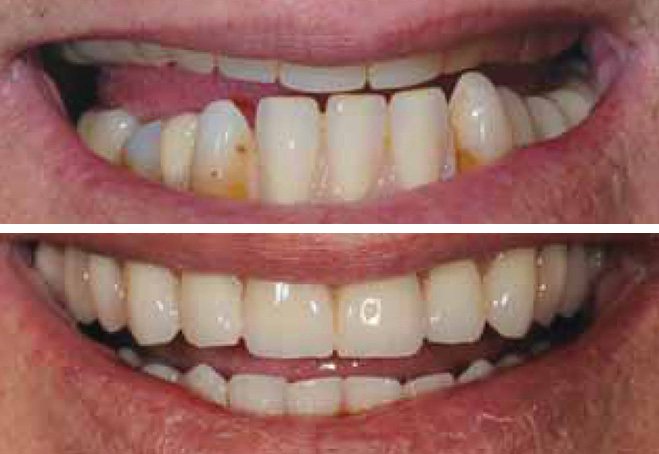
Life-Changing Results
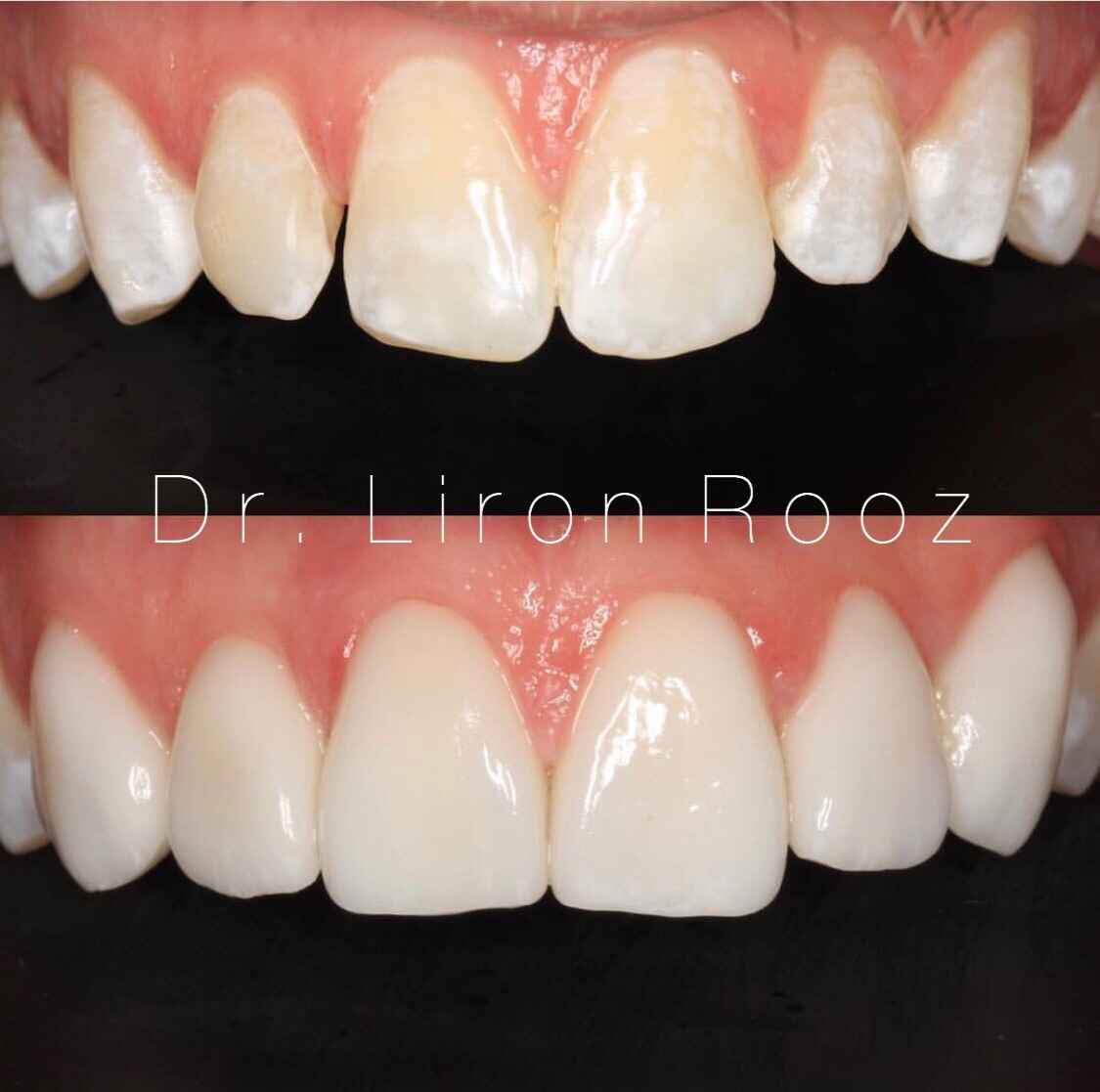
with Veneers

Why Dental Team

YOUR Best Self Starts Here!

Our goal is to provide a standard of excellence in dental care, delivering a pain-free, comfortable, welcoming, and judgment-free experience.  Our doctors focus on in-depth relationships with patients to best guide them to a lifetime of dental health.

Dental Team offices are friendly, professional, and highly organized, and you are always greeted with a smile, as our commitment to service is at the same level of excellence provided in our treatments/procedures.

location_title Atlantic Blvd (East)
service_title Bruxism/Teeth Grinding Treatment
service_content
location_content [location_content]
service_short_description

Treating bruxism requires a personalized plan tailored to your specific needs. At Dental Team, our specialists are trained in understanding and managing teeth grinding.


service_featured_image https://dental-team.riseqa.com/wp-content/uploads/2026/03/grinding-1.jpg
service_acf_content

What is Bruxism?

Bruxism is the involuntary clenching or grinding of teeth, occurring during the day or while sleeping. It can result from stress or misalignment of teeth, putting excessive pressure on your teeth and surrounding structures. Teeth grinding can wear down enamel, expose dentin, and damage both natural and dental work. It can also strain the temporomandibular joint (TMJ), leading to jaw pain, facial muscle discomfort, and morning headaches.

Protecting Your Teeth:

Our dentists create custom night guards to protect your teeth. After taking impressions, your night guard will be ready in one to two weeks.
Image

Treating Bruxism:
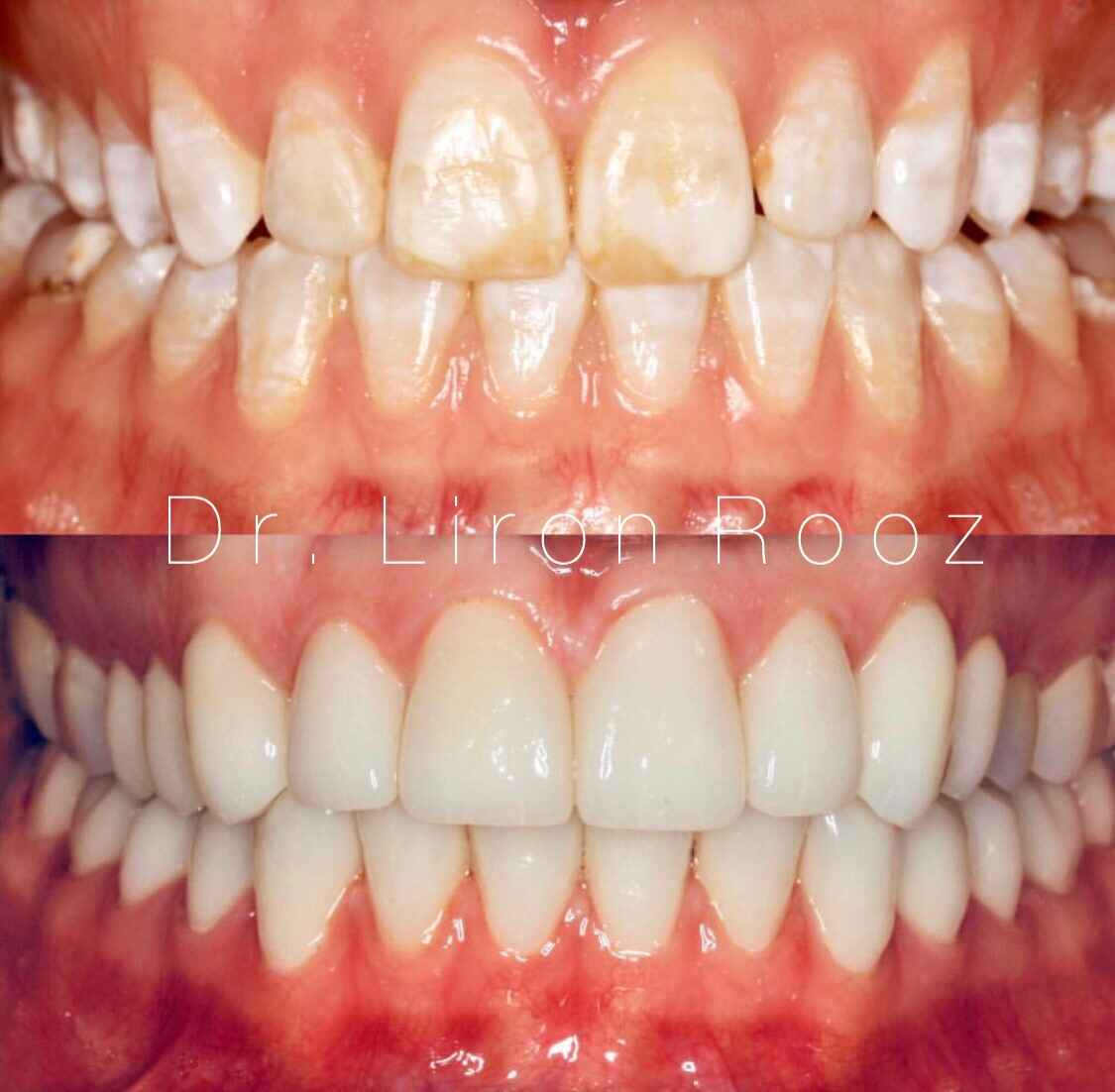
We use neuromuscular and orthopedic techniques to relax your jaw muscles. A TENS unit delivers gentle electrical stimulation, helping your muscles relax. After about an hour, we record your jaw’s relaxed position through bite registration using a fast-setting material. We then create a custom orthotic to help reposition your jaw into a more natural resting position. This initial phase is reversible and helps stabilize your bite. The orthotic is removable but should be worn full-time as your muscles adjust. Once you reach a comfortable state, we can discuss long-term options.

service_faq

1. How do I know if I grind my teeth at night?

Many people don’t realize they grind their teeth because it often happens during sleep. You might notice symptoms like jaw soreness, morning headaches, or worn teeth. At Dental Team, we can evaluate your symptoms and confirm whether bruxism is affecting your oral health.

2. What are the signs of teeth grinding?

Common signs include jaw pain, headaches, worn or sensitive teeth, and disrupted sleep. If you notice these symptoms, Dental Team recommends scheduling an evaluation.

3. What causes bruxism?

Bruxism can be caused by stress, anxiety, misaligned teeth, or sleep disorders. At Dental Team, we identify the underlying cause to create an effective, personalized treatment plan.

4. How is teeth grinding treated?

Treatment may include custom night guards, stress management techniques, bite adjustment, or therapeutic injections. Dental Team offers tailored solutions to reduce grinding and protect your smile.

5. Can bruxism go away on its own?

In some cases, mild bruxism may improve over time, but many patients require treatment to prevent long-term damage. Dental Team focuses on early intervention to protect your teeth and overall oral health.


location_phone [location_phone]
location_booking_link [location_booking_link]