Oral Cancer Screening in Atlantic Blvd (East)
Early Detection of Oral Cancer at Dental Team.
At Dental Team, we are committed to enhancing oral health care, particularly in the fight against oral cancer. We use advanced screening tools to detect oral cancer earlier in at-risk patients.
Why It Matters
In Canada, three people die from oral cancer each day, primarily due to late detection. While tobacco use is a significant risk factor, about 25% of oral cancer patients have no lifestyle risks. Age is also a major factor, with those over 40 being particularly at risk.
Risk Categories:
- Increased Risk: Ages 18-39 with no lifestyle risks
- High Risk: Ages 40+ with no lifestyle risks, or ages 18-39 with lifestyle risks
- Highest Risk: Ages 65+ with lifestyle risks or a history of oral cancer
- Lifestyle Risk Factors Include:
– Tobacco use (any type, within the last 10 years)
– Daily alcohol consumption
– Immune deficiencies (e.g., HIV/AIDS)
– Human Papilloma Virus (HPV 16/18)
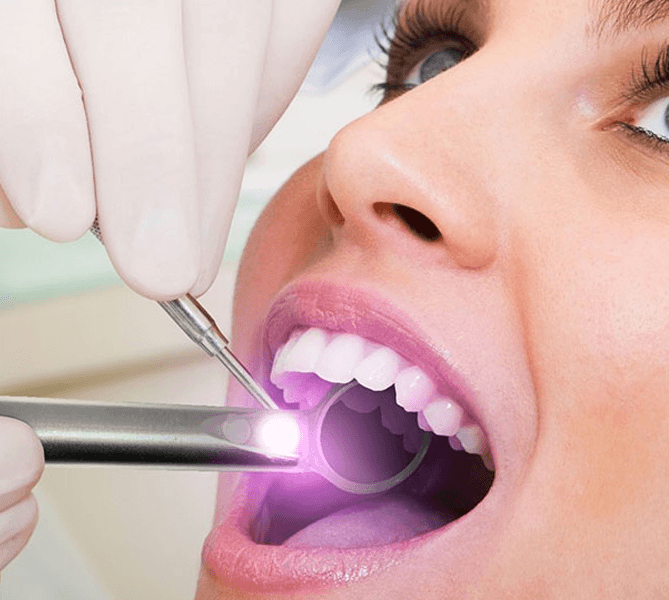
– How VELscope Screening Works - Early detection is crucial, but oral cancer often isn’t visible until advanced. The VELscope technology helps identify abnormalities by using natural tissue fluorescence. This screening:
– Takes less than five minutes
– Is completely non-invasive (no rinse or dye required)
– Includes photo documentation
Dental Team is dedicated to early detection and supports cancer research through annual donations. By participating in screenings, you’re not only taking charge of your health but also contributing to vital research for those in need.
FAQ
1. What is an oral cancer screening?
An oral cancer screening is a quick and painless exam used to detect early signs of cancer or precancerous conditions in the mouth. At Dental Team, we carefully check your lips, tongue, gums, and throat for any abnormalities.
2. Who should get an oral cancer screening?
Oral cancer screenings are recommended for all adults, especially those who use tobacco, consume alcohol regularly, or have a history of oral cancer. Dental Team includes screenings as part of routine dental visits.
3. What are the signs of oral cancer?
Warning signs may include persistent sores, lumps, red or white patches, difficulty swallowing, or unexplained pain. If you notice any of these symptoms, Dental Team encourages you to schedule an evaluation promptly.
4. Is oral cancer screening painful?
No, the screening is completely painless and non-invasive. At Dental Team, the process is quick and designed to be comfortable for every patient.
5. How often should I have an oral cancer screening?
It’s typically recommended once a year, often during your regular dental exam. Dental Team may suggest more frequent screenings based on your individual risk factors.
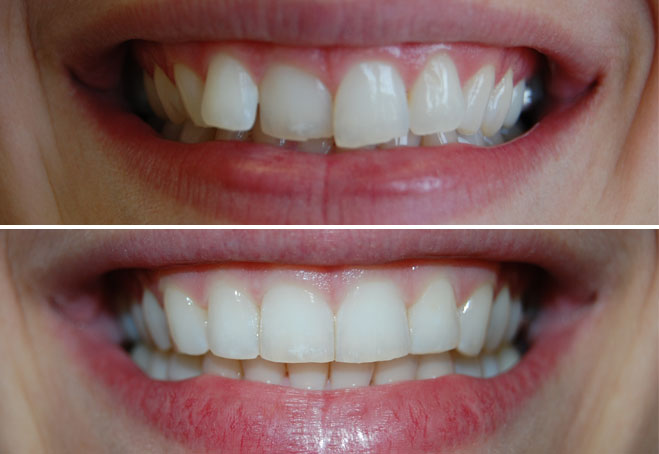
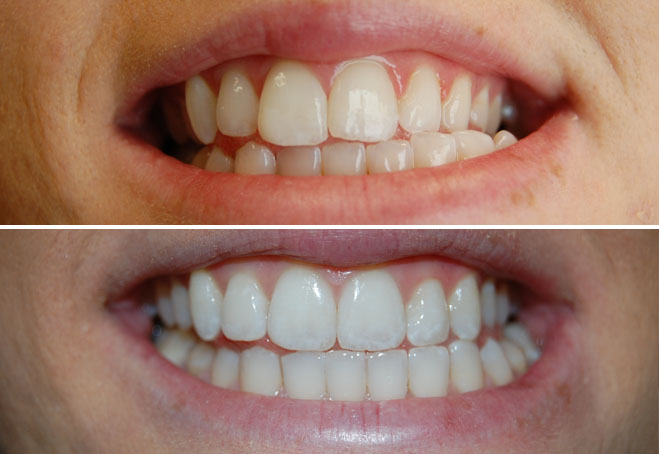
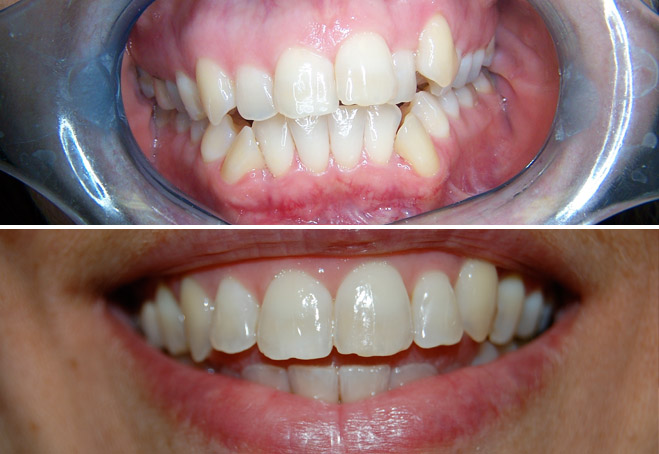
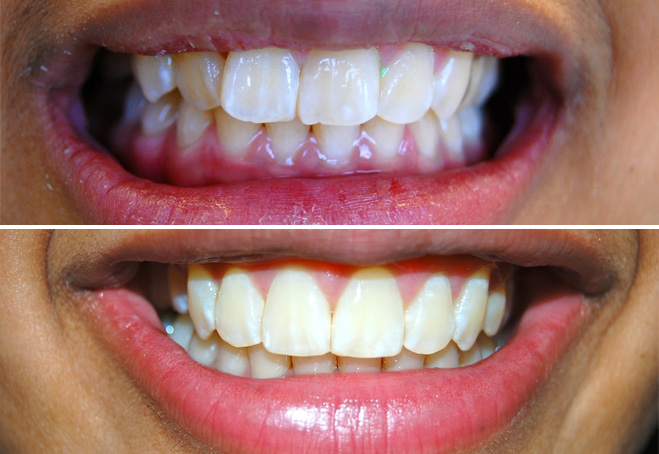
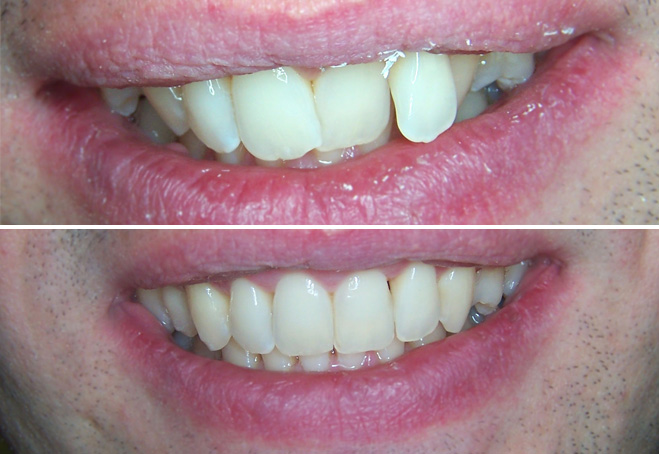
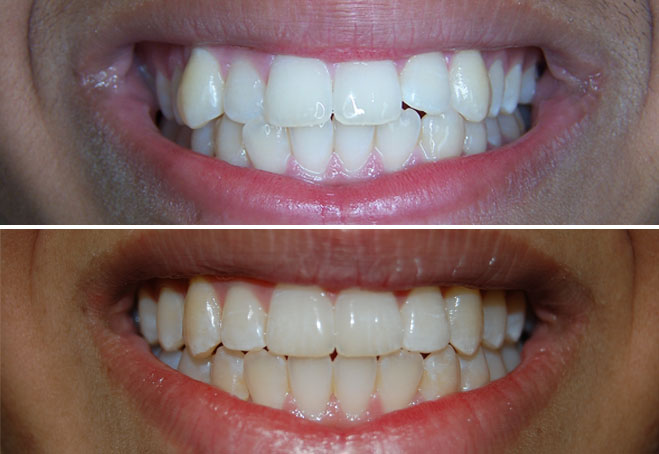
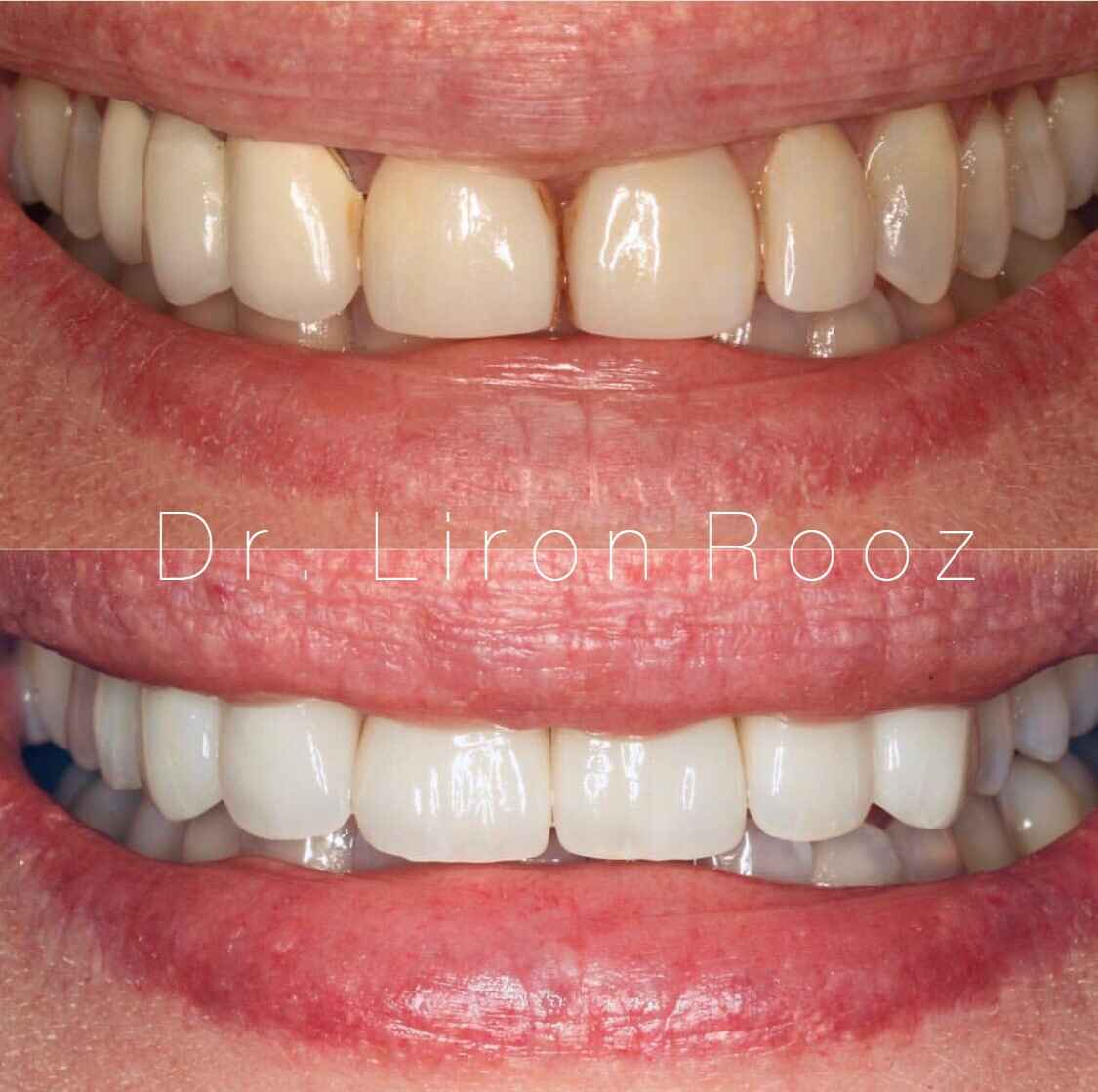
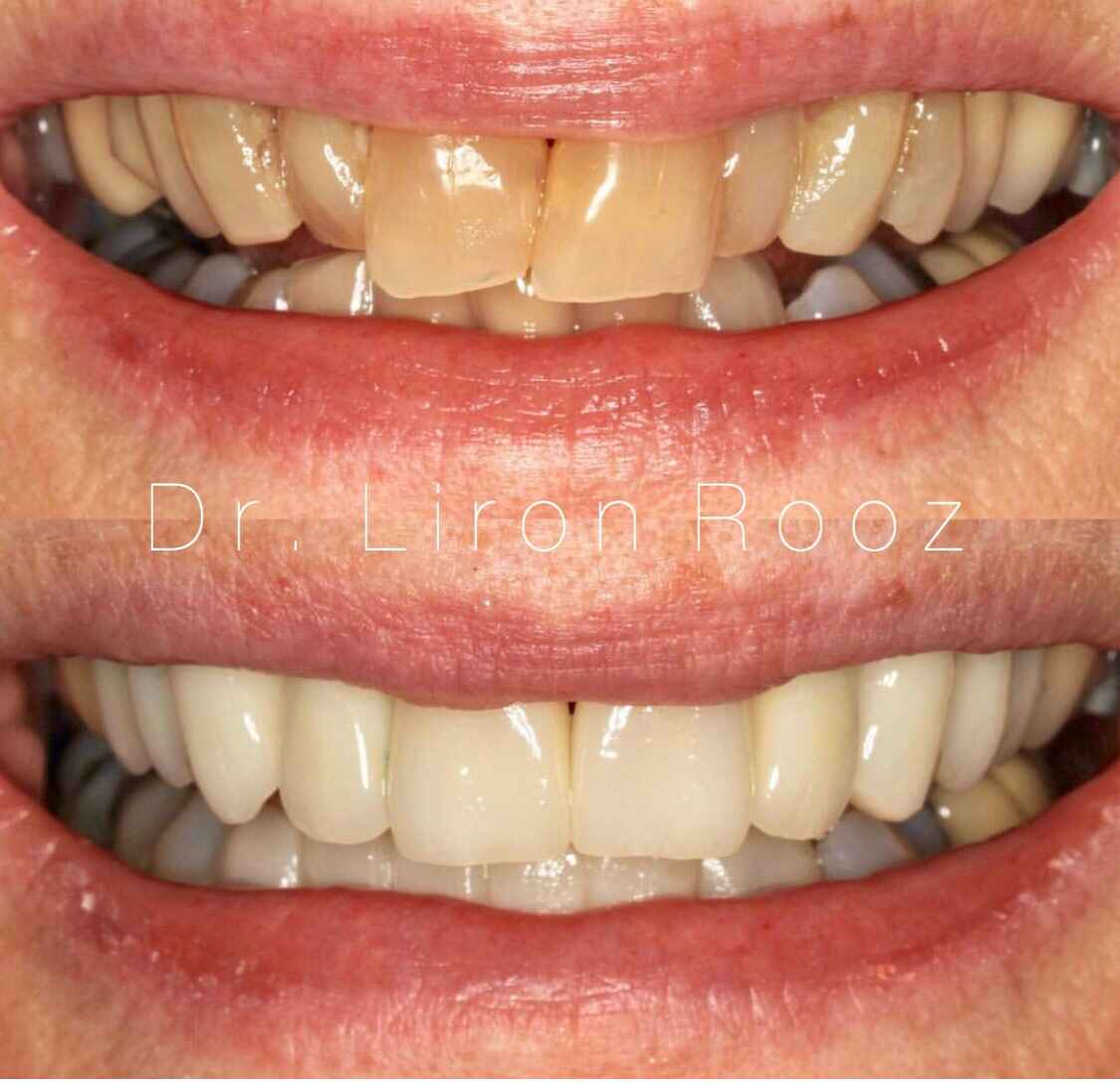
Life-Changing Results
with Invisalign
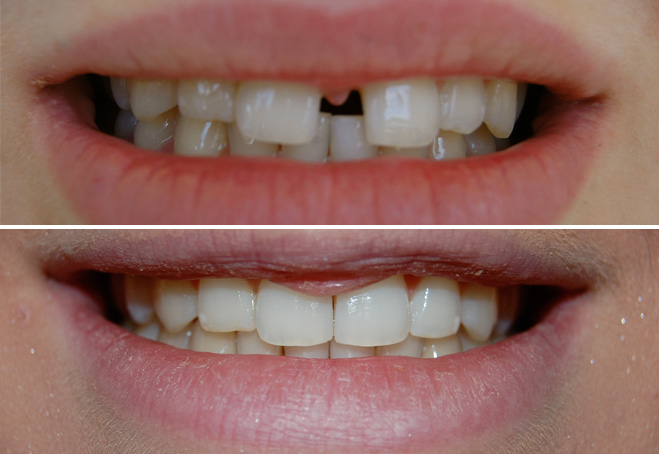
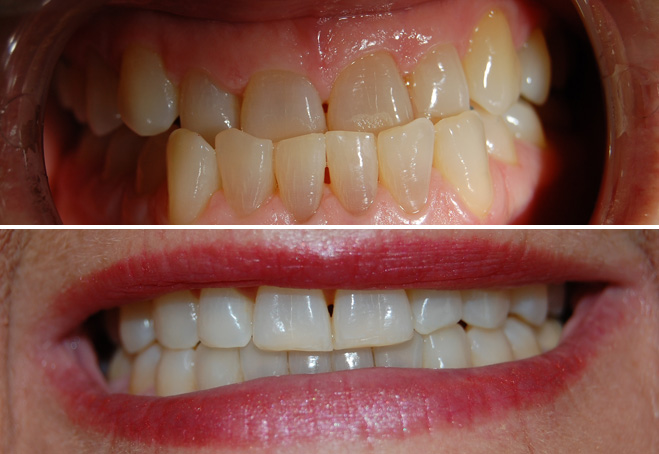
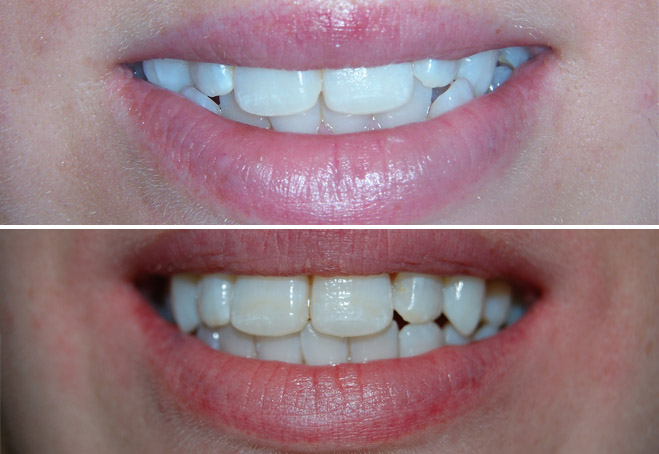
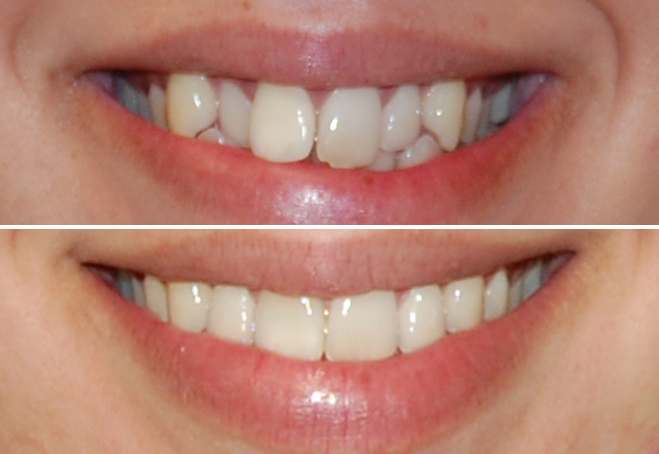
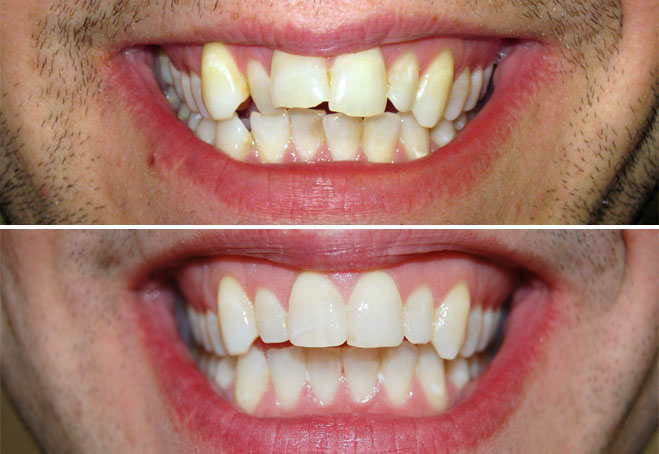
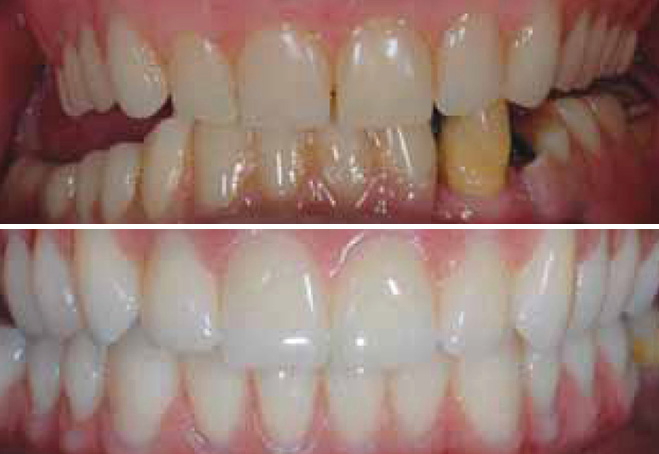
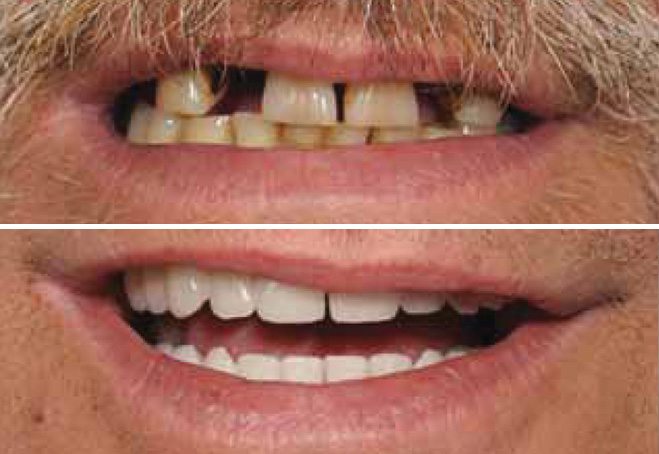
Life-Changing Results
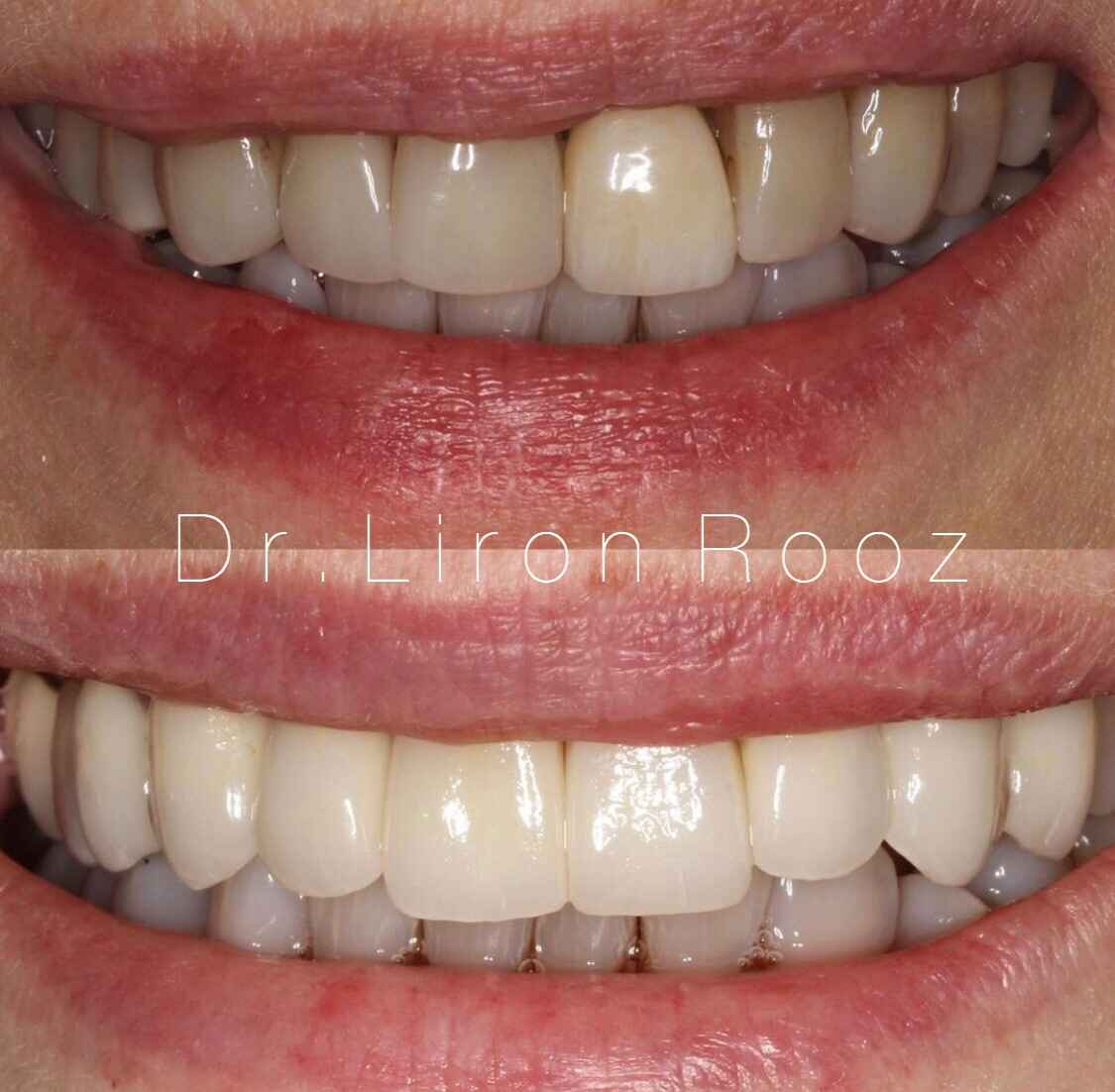
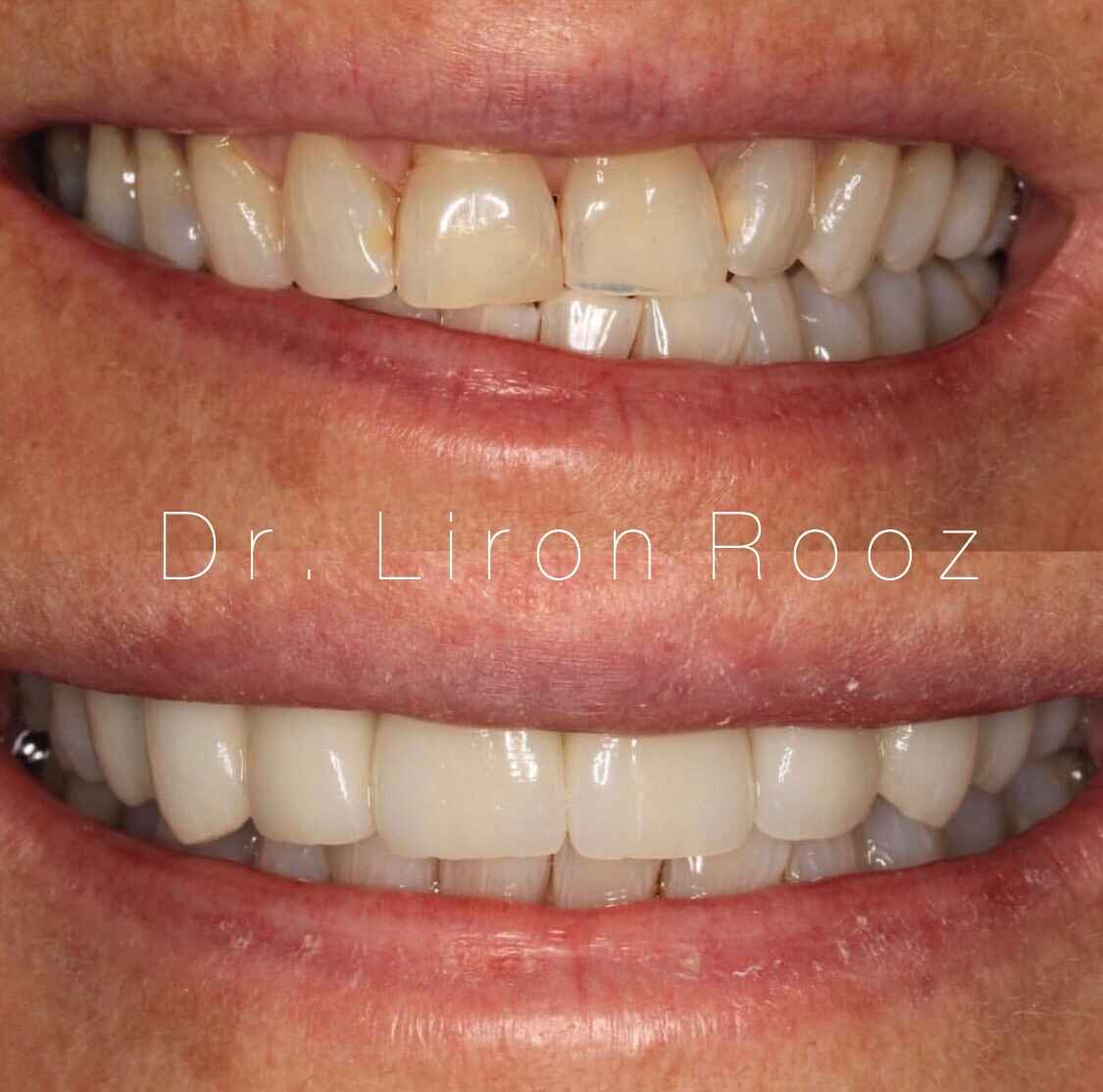
with Implants
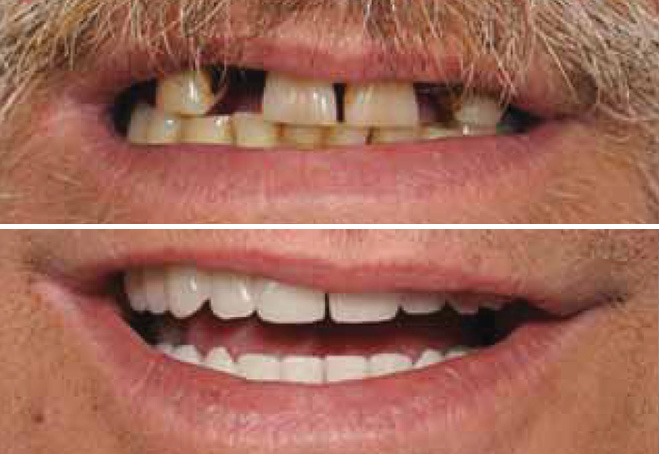
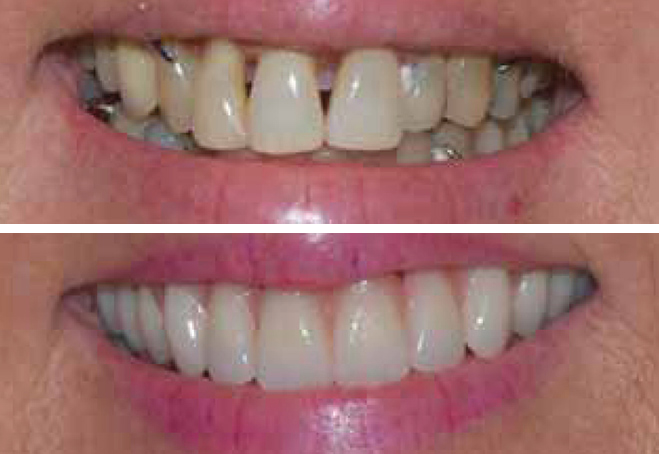
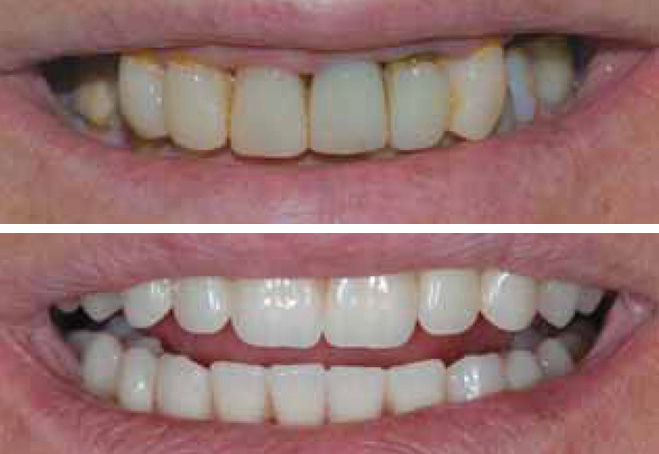
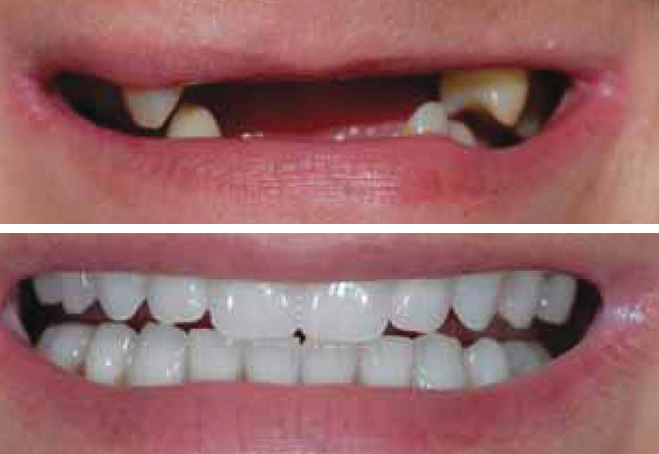
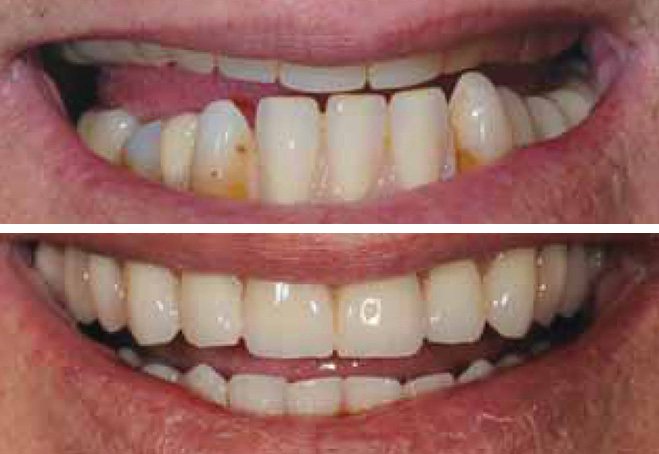
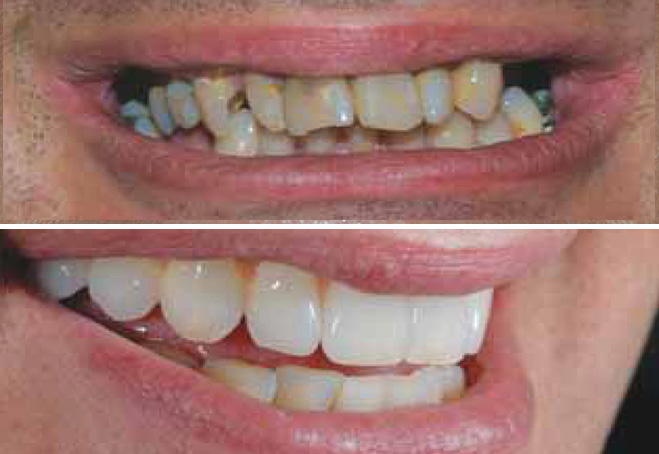
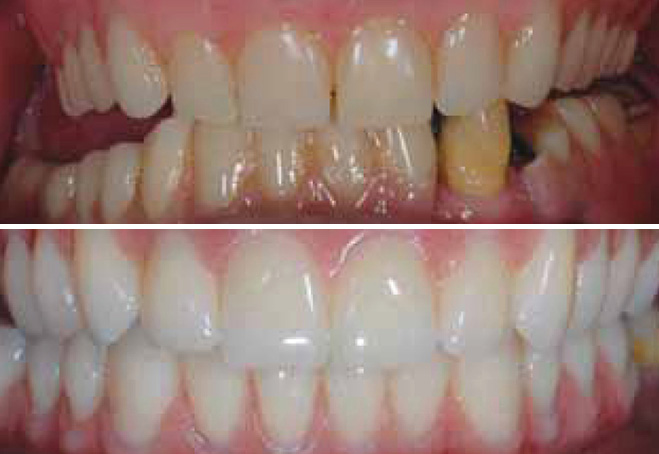
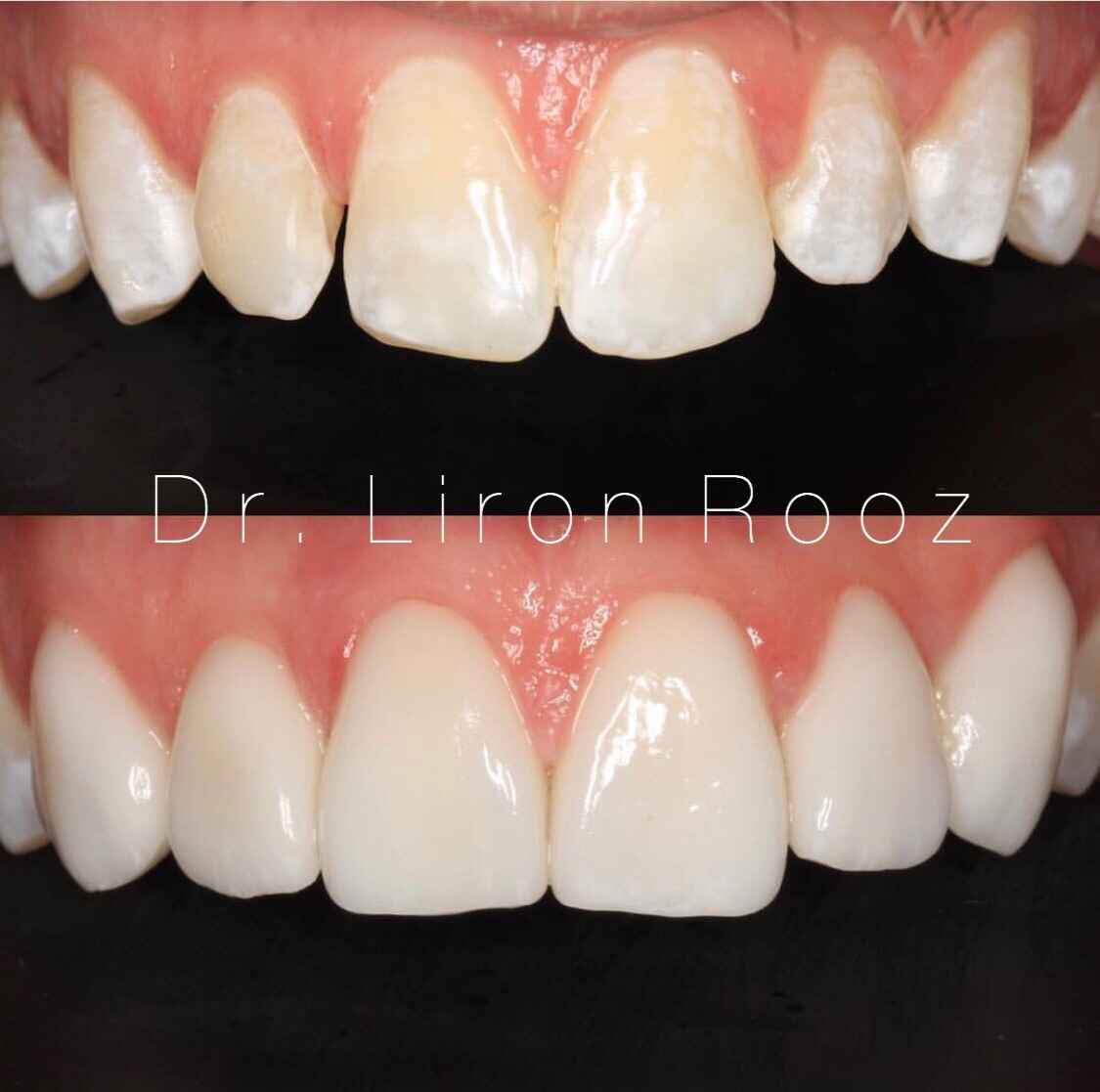
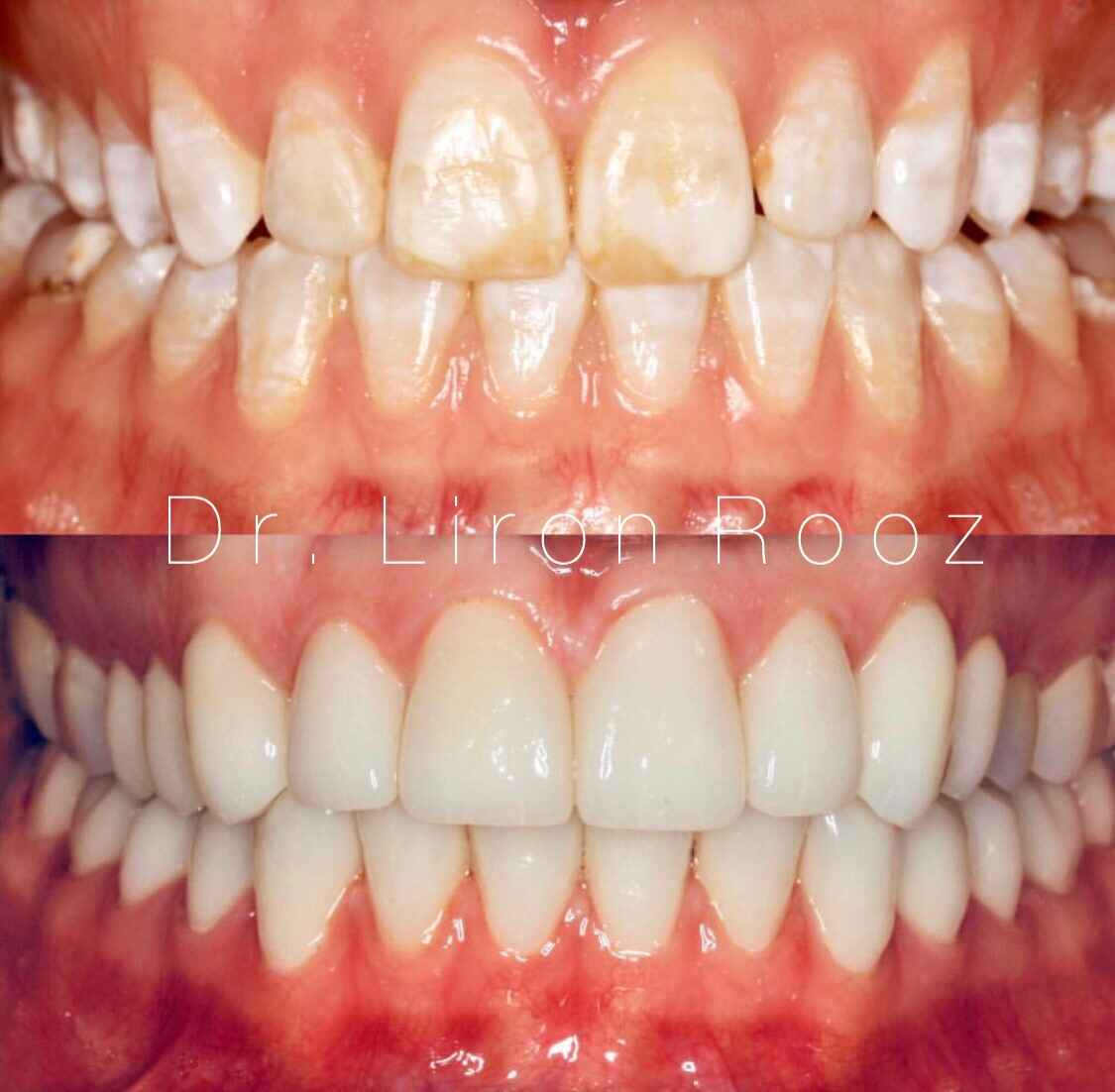
Life-Changing Results
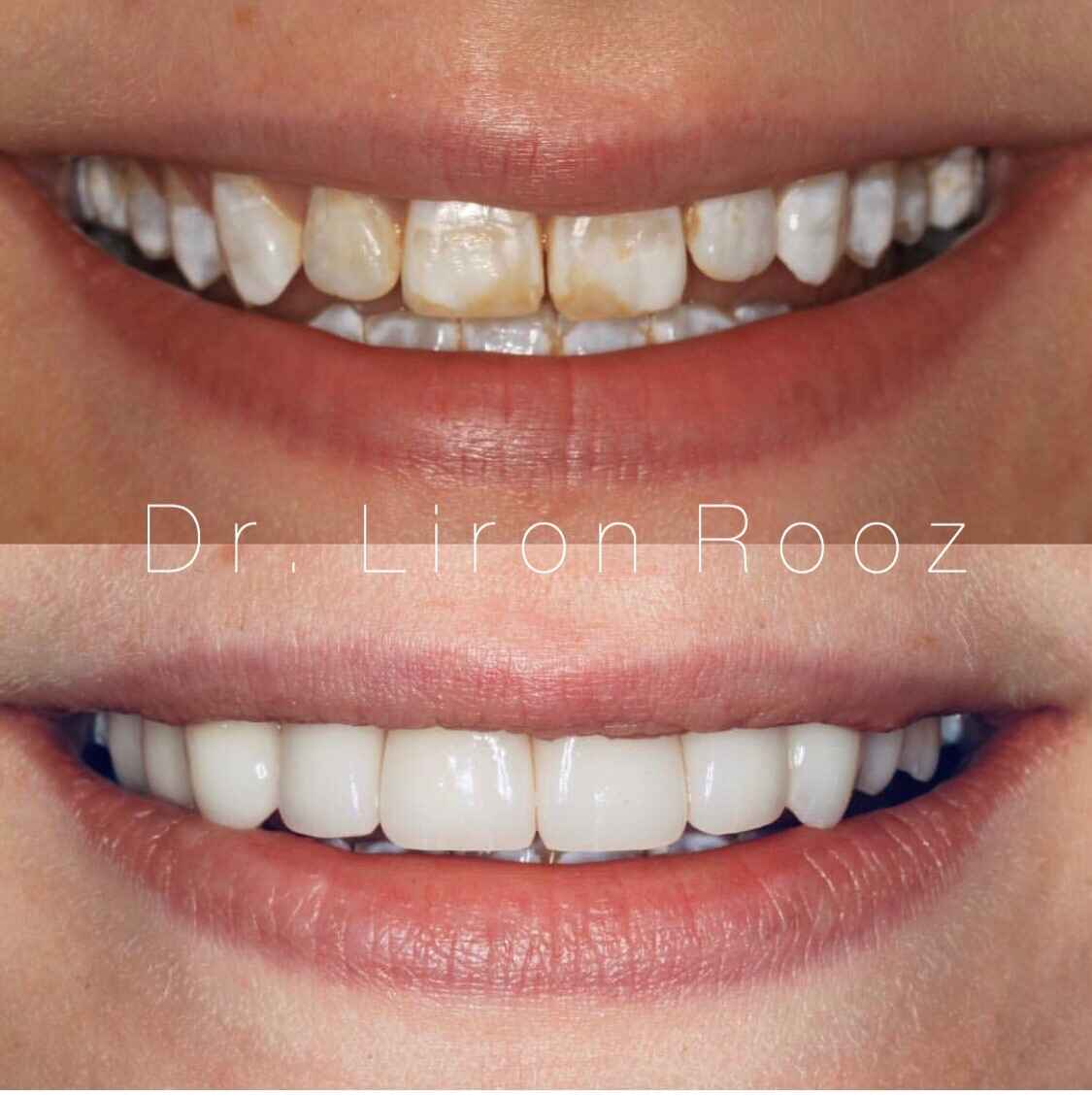
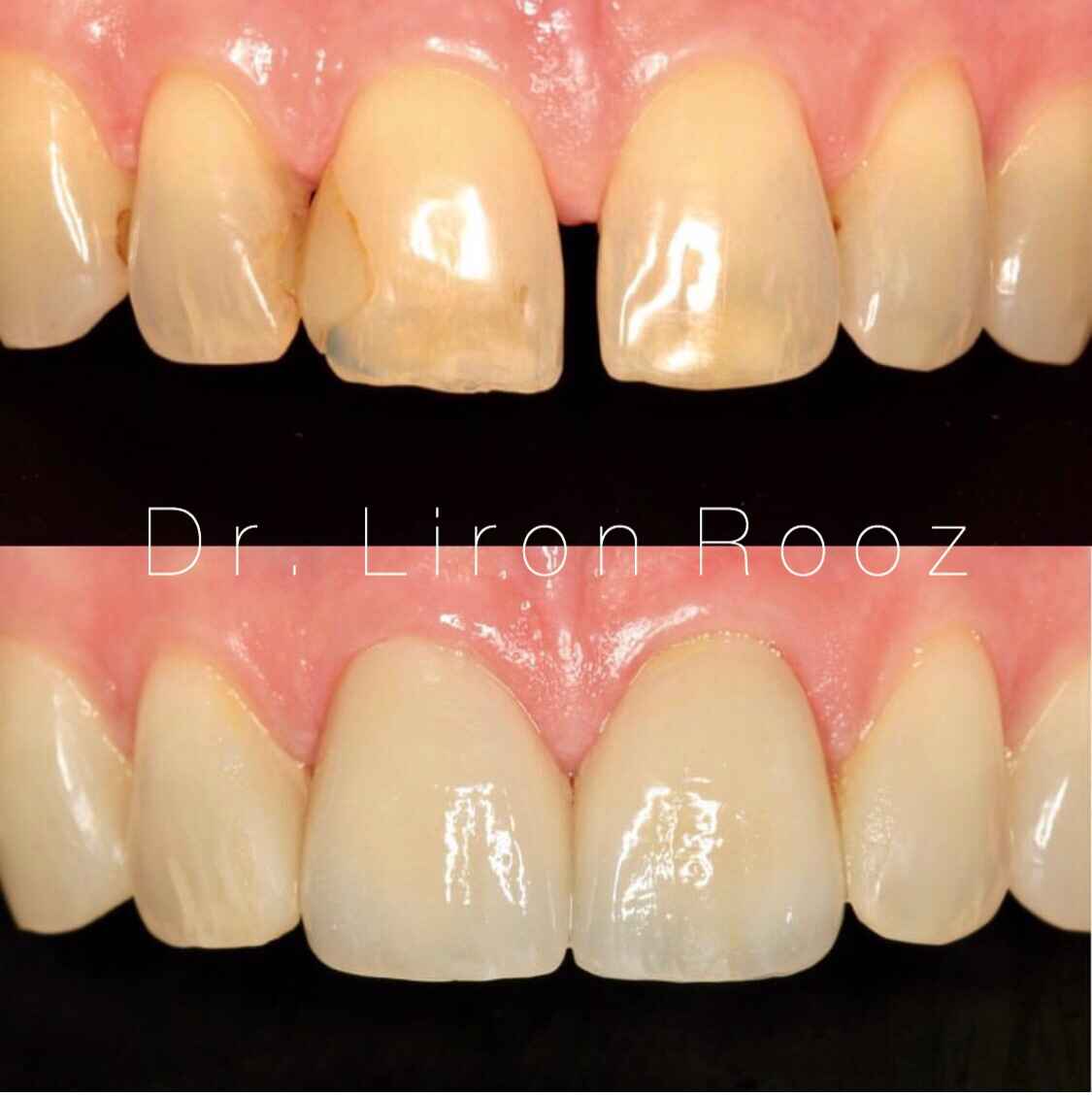
with Veneers
Why Dental Team
YOUR Best Self Starts Here!
Our goal is to provide a standard of excellence in dental care, delivering a pain-free, comfortable, welcoming, and judgment-free experience. Our doctors focus on in-depth relationships with patients to best guide them to a lifetime of dental health.
Dental Team offices are friendly, professional, and highly organized, and you are always greeted with a smile, as our commitment to service is at the same level of excellence provided in our treatments/procedures.
service_title Oral Cancer Screening
service_content
location_content [location_content]
service_short_description
Early Detection of Oral Cancer at Dental Team.
At Dental Team, we are committed to enhancing oral health care, particularly in the fight against oral cancer. We use advanced screening tools to detect oral cancer earlier in at-risk patients.
service_featured_image https://dental-team.riseqa.com/wp-content/uploads/2026/03/ocs-2.png
service_acf_content
Why It Matters
In Canada, three people die from oral cancer each day, primarily due to late detection. While tobacco use is a significant risk factor, about 25% of oral cancer patients have no lifestyle risks. Age is also a major factor, with those over 40 being particularly at risk.
Risk Categories:
- Increased Risk: Ages 18-39 with no lifestyle risks
- High Risk: Ages 40+ with no lifestyle risks, or ages 18-39 with lifestyle risks
- Highest Risk: Ages 65+ with lifestyle risks or a history of oral cancer
- Lifestyle Risk Factors Include:
– Tobacco use (any type, within the last 10 years)
– Daily alcohol consumption
– Immune deficiencies (e.g., HIV/AIDS)
– Human Papilloma Virus (HPV 16/18)
– How VELscope Screening Works - Early detection is crucial, but oral cancer often isn’t visible until advanced. The VELscope technology helps identify abnormalities by using natural tissue fluorescence. This screening:
– Takes less than five minutes
– Is completely non-invasive (no rinse or dye required)
– Includes photo documentation
Dental Team is dedicated to early detection and supports cancer research through annual donations. By participating in screenings, you’re not only taking charge of your health but also contributing to vital research for those in need.
service_faq
1. What is an oral cancer screening?
An oral cancer screening is a quick and painless exam used to detect early signs of cancer or precancerous conditions in the mouth. At Dental Team, we carefully check your lips, tongue, gums, and throat for any abnormalities.
2. Who should get an oral cancer screening?
Oral cancer screenings are recommended for all adults, especially those who use tobacco, consume alcohol regularly, or have a history of oral cancer. Dental Team includes screenings as part of routine dental visits.
3. What are the signs of oral cancer?
Warning signs may include persistent sores, lumps, red or white patches, difficulty swallowing, or unexplained pain. If you notice any of these symptoms, Dental Team encourages you to schedule an evaluation promptly.
4. Is oral cancer screening painful?
No, the screening is completely painless and non-invasive. At Dental Team, the process is quick and designed to be comfortable for every patient.
5. How often should I have an oral cancer screening?
It’s typically recommended once a year, often during your regular dental exam. Dental Team may suggest more frequent screenings based on your individual risk factors.
location_phone [location_phone]
location_booking_link [location_booking_link]